
Industrial smart meters: architecture, protocols and role in energy management

Industrial smart meters are a key component of energy management systems (EMS) and telemetry that record consumption data with high accuracy and in real time. Technical definition of smart meter A smart meter is a digital device with the ability to: • Record consumption parameters • Store data • Automatically send information • Two-way communication […]
Advanced industrial telemetry; from RTU to integration with SCADA and IIoT
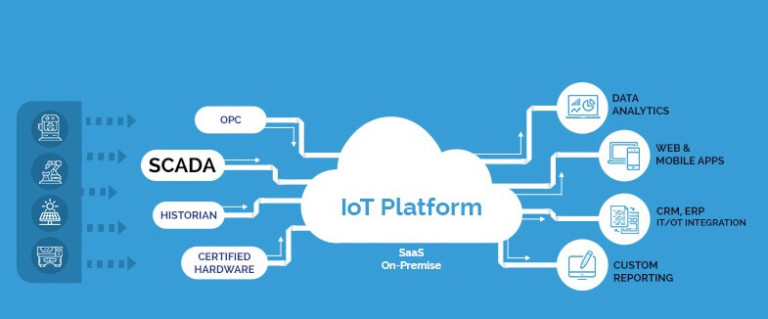
Industrial telemetry, as a key component of distributed automation infrastructures, enables monitoring, control, and analysis of processes on a wide geographical scale. This article reviews the technical architecture of telemetry systems. Technical Definition of Telemetry Industrial telemetry is the process of measuring, digitizing, and transmitting process data from remote locations to a control center via […]
Advanced Industrial Automation Systems Architecture, Standards, and Implementation Challenges
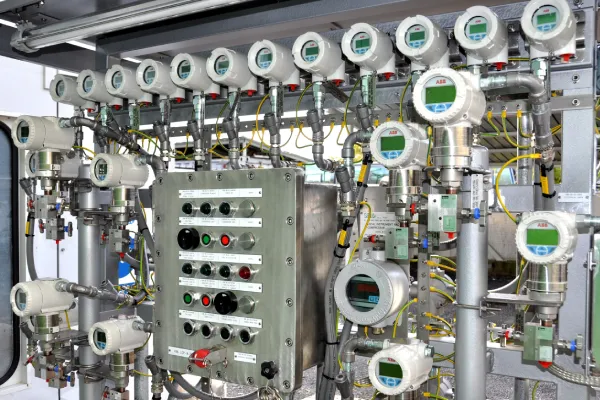
Modern industrial automation is no longer limited to controlling the sequence of operations, but has become a complex cyber-physical system that incorporates data, communication, analytics, and intelligent decision-making. In this article, we examine industrial automation from the perspective of system architecture, international standards, and implementation challenges. Technical Definition of Industrial Automation Industrial automation is a […]
Transforming the industry with precision and data-driven instrumentation
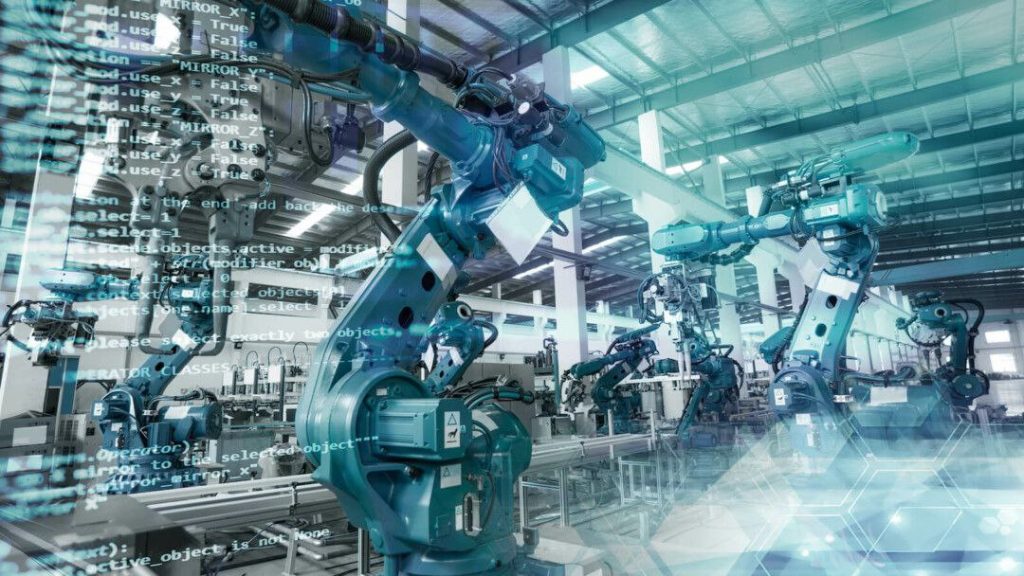
Modern industry is moving from traditional models to data-driven approaches. Precision instrumentation and advanced measurement systems have enabled real-time monitoring of processes, which has led to reduced errors and increased productivity. Data-driven means making decisions based on real-time information and statistical analysis. In manufacturing industries, this approach enables managers to predict trends and prevent sudden […]
Industrial automation: practical foundations and path of evolution

Industrial automation means redistributing repetitive and sensitive tasks from humans to machines and control systems to increase accuracy, repeatability, and productivity. The main goal is to reduce human error, increase production rates, and optimize resource consumption. At the core of any automation system, sensors read environmental data, and controllers (PLCs, programmable logic controllers) direct actuators […]
Industrial Internet of Things (IIoT); the intelligent link between machines and data
In the era of digital transformation and the entry into Industry 5.0, the Industrial Internet of Things (IIoT) is recognized as one of the most effective technologies in improving performance, increasing productivity, and reducing operating costs. IIoT is a combination of sensors, telemetry, cloud computing, and industrial automation that enables data exchange between machines, humans, […]
Predictive Maintenance: The Heart of Industrial Automation Intelligence
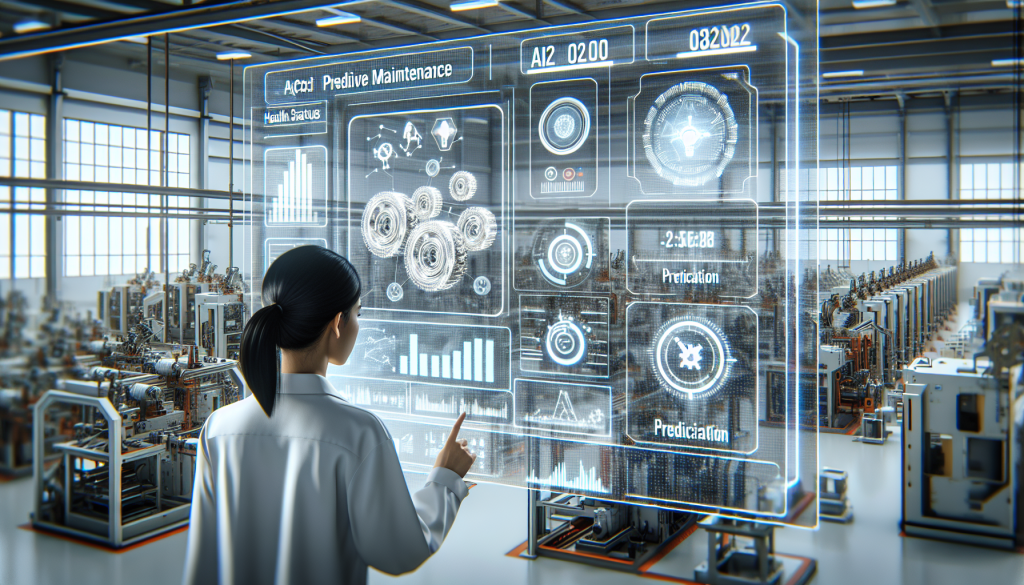
In modern industries, a sudden stop in a production line can cause millions of dollars in losses. The solution to this problem is Predictive Maintenance (PdM). What is Predictive Maintenance? Predictive maintenance is a method that analyzes data collected from sensors and telemetry systems to provide early warning before a failure occurs. Comparison of maintenance […]
Agentic AI: The Future of Intent-Based Automation Introduction
Artificial intelligence is not just for analyzing data, it has reached the point where it can make decisions and take independent action. This is where the concept of Agentic AI or Agentic AI comes into play. What is Agentic AI? Agentic AI is a model in which systems not only process data, but are also […]
Cloud-Fog Automation: A New Paradigm in Industrial Cyber-Physical Systems
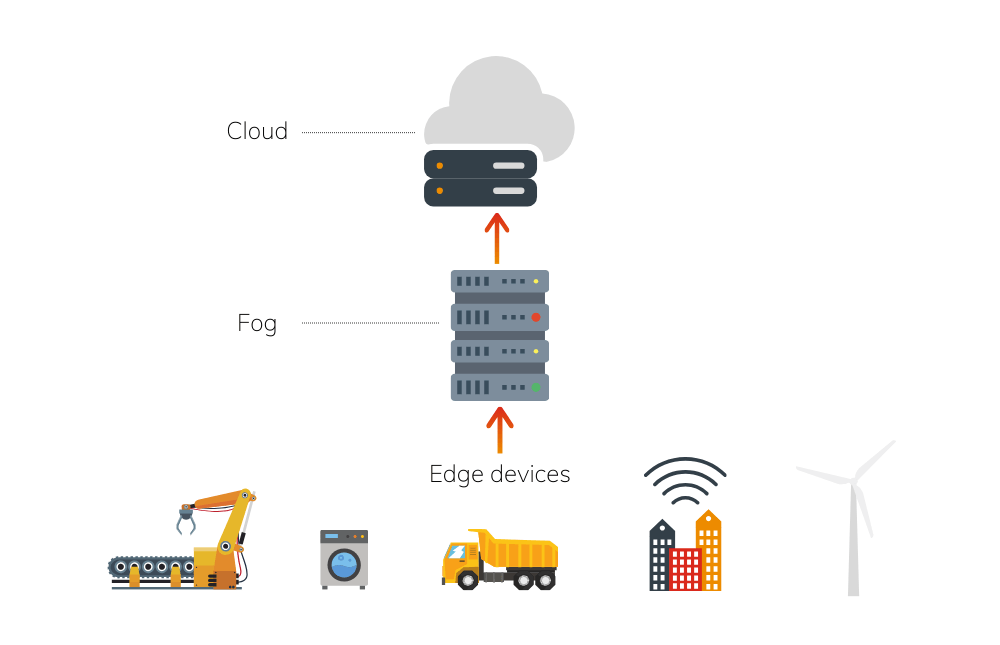
With the expansion of Industry 4.0 and the increasing need for intelligent industrial automation, the use of new architectures such as Cloud-Fog Automation has become particularly important. This approach combines the power of cloud processing (Cloud) and proximity to the data source (Fog) to help industries make faster and more reliable decisions. What is Cloud-Fog […]
Intelligent Management

Intelligent management integrates data-driven insights, artificial intelligence, and automation tools to elevate organizational decision-making. By harnessing structured and unstructured data, leaders can forecast trends, optimize resource allocation, and streamline workflows. The approach transcends traditional hierarchical models, favoring adaptive, evidence-based strategies. It fosters agility in dynamic markets. At its core, intelligent management relies on real-time analytics […]